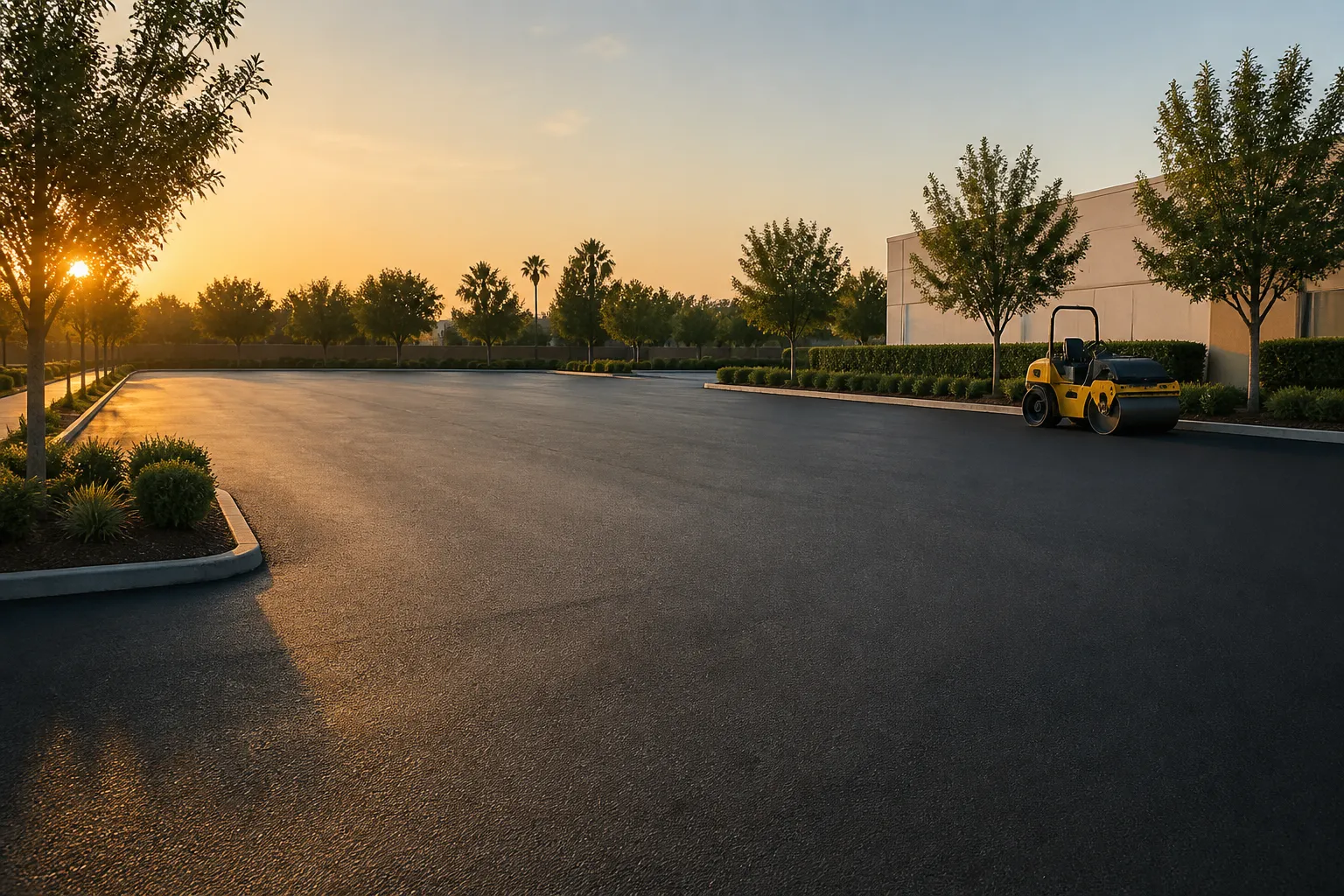
Newport Beach is a coastal Orange County city of 85,239 residents, about 40 miles southeast of downtown Los Angeles. Costa Mesa Asphalt Paving helps Newport Beach owners with driveway paving, repairs and sealcoating. Salt air and sea-level moisture are part of daily life here, and they affect how asphalt ages.
Salt air, sun and driveways in Newport Beach
Coastal air carries moisture and salt that can speed up wear on surfaces. Sun adds oxidation, turning dark asphalt gray and brittle. We look for fading, raveling edges and hairline cracks, then recommend sealcoating or repair. Regular sealing every few years helps shield the surface from sun and water.
Harbor-area lots and tight driveways
Many properties near the harbor have narrow driveways and small lots. We plan equipment to fit, protect landscaping and cure work so cars are back on the pavement quickly. Crews mark off the area and give clear drying times.
Parking areas for waterfront businesses in Newport Beach
Restaurants, marinas and shops near the water see guests in peak season and few in winter. That makes pavement wear uneven, with heavy use near entrances and valet lanes. We map traffic flow, repair the busiest zones first and time sealing for slower months. Fresh stripes and clear arrows help guests park without confusion, and a smooth surface lowers trip risk for visitors in sandals.
Newport Beach at a glance
Wikipedia says the city is known for sandy beaches, and that its harbor once supported maritime industries. Beach traffic and boat trailers add load to nearby driveways and lots.
Rain and runoff near the bay
Southern California storms can be short but strong. Water that rushes across a sloped drive near the bay can carry sand and loosen edges. We check where water enters and leaves your property and suggest simple fixes such as edge repair, a small apron or a regraded low spot. Dry, stable edges keep asphalt intact longer.
A maintenance plan for Newport Beach pavement
Rinse salt and sand off drives after beach days, and clear leaves from drains each fall. Fill hairline cracks before winter rain, since water is the main enemy of asphalt. Plan a sealcoat every two to three years and re-stripe parking areas when lines fade. A short yearly walk-around catches small trouble before it grows into costly repair.
Marinas, boat storage and trailer yards in Newport Beach
Boat storage lots and trailer yards carry heavy, slow loads. Trailer tongues and jack stands press small spots into warm asphalt, and turning trucks scuff the corners. We design these areas with a stronger base, clear turning room and sealer that resists fuel and oil drips. We also mark lanes so trailers line up the same way each time, which spreads wear across more of the lot. A short walk with the manager helps us pick the right fix for each zone.
Coastal fog, damp mornings and curing times
Morning fog can leave pavement damp long after sunrise, which slows sealer curing. We watch humidity and surface moisture and start only when the surface is truly dry. If conditions turn, we pause rather than risk a weak bond. You get a clear message about the new schedule and how long cones must stay in place so nobody drives on soft sealer.
Salt air and sandy lots in Newport Beach
Newport Beach has 85,239 residents and is known for its sandy beaches and busy harbor. Salt air and blowing sand wear the top of an asphalt surface faster than inland air does. We sweep grit before any sealing, because sand under a coating makes it peel. Driveways near the water also stay damp longer, so we wait for a dry window before we pave.
Tight lots near the harbor
Many properties close to the water have narrow drives and little room for trucks. We use smaller rollers and hand tools to reach these spots. Before work starts, we mark drains and sprinkler heads so water has a clear path away from the house.
Sealcoating schedules for coastal homes
Newport Beach sits about 40 miles southeast of downtown Los Angeles, and its harbor once supported maritime industries. Today, most of its pavement serves homes, shops and marinas. We suggest a seal coat about every two to three years near the water, sooner where cars park under direct sun. Between coats, wash off salt and sand with a hose and fix small cracks quickly so they cannot widen.
When to call us in Newport Beach
Call when you see cracks wider than a pencil, puddles that stay after rain, or edges that crumble near the street. In a city of 85,239 people, crews book up before summer, so spring is the calm window for paving and sealing. Ask for a visit first; looking costs nothing.
Questions from Newport Beach homeowners
How often should I seal a coastal driveway?
Many owners seal every two to three years, depending on sun and wear.
Can salt air harm asphalt?
It can speed aging. A sealer helps slow it down.
What fixes a crack near a hedge?
Roots can lift pavement. We remove the cause, then repair.
Does harbor-area runoff harm pavement?
Standing water does. Good slope and clear drains protect it.
Related links