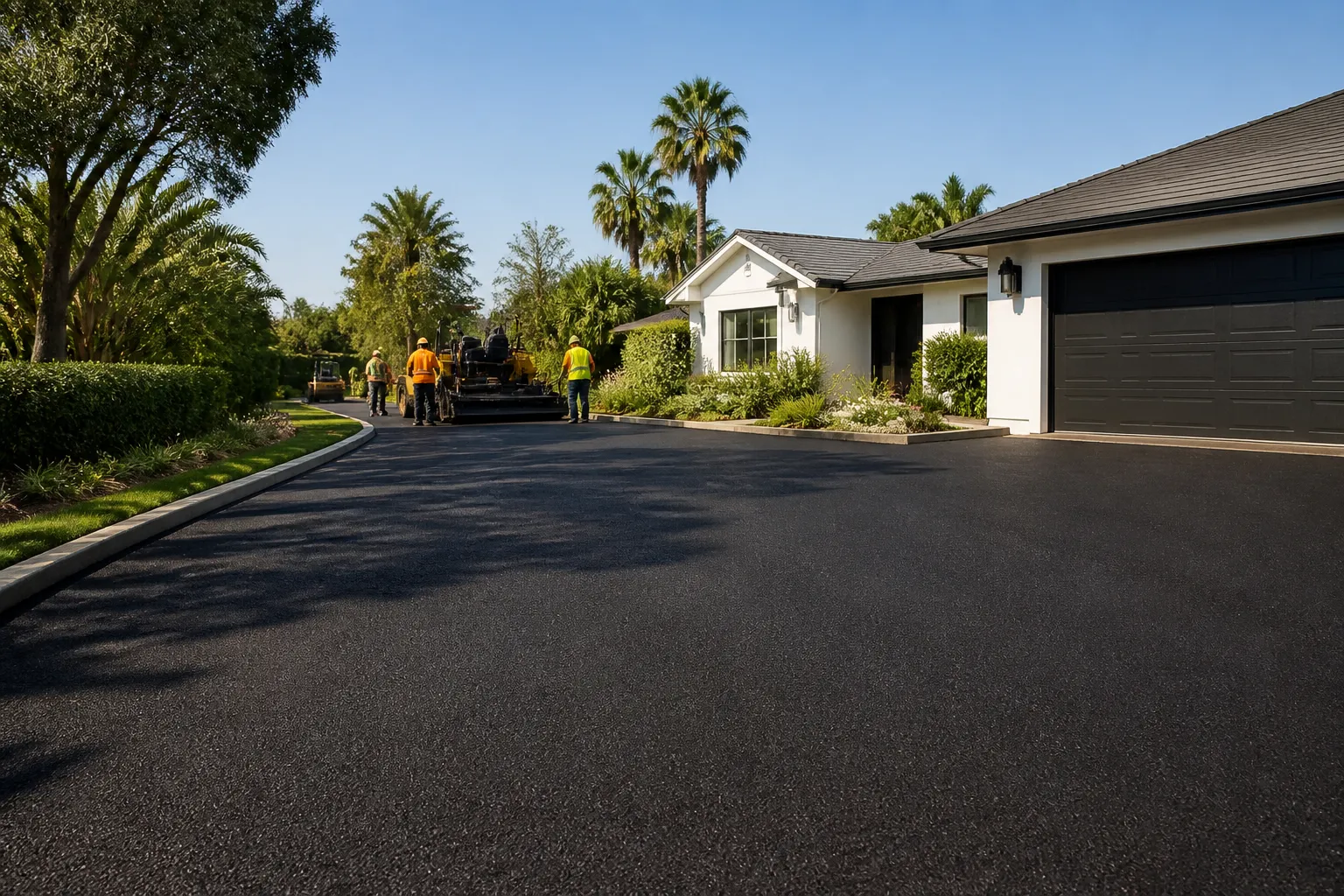
Asphalt pavement is a practical surface for Costa Mesa driveways, private roads, and parking lots, but it performs best when maintenance is planned before small flaws become larger repairs. Sun exposure, vehicle traffic, irrigation overspray, coastal moisture, and occasional heavy rain all influence how quickly pavement ages. This guide explains how to inspect asphalt, prioritize maintenance, and recognize when professional repair or resurfacing is the more suitable next step.
The main idea is simple: keep water out of the pavement structure, address damage early, and match the maintenance method to the condition of the surface. A dark new-looking surface alone is not proof that the pavement is structurally sound. The base beneath the asphalt and the way water moves across the property matter just as much.
Start with regular visual inspections
Walk your driveway or parking lot a few times each year and after periods of unusually heavy rain. Look for cracks, loose aggregate, depressions, stains, damaged edges, ponding water, and patches that have begun to fail. Note where the damage occurs. Repeated trouble in the same location may point to drainage, soil, traffic, or base problems that need more than a surface treatment.
For commercial properties, include drive lanes, loading areas, dumpster pads, entrances, and turning zones in the inspection. These locations carry more stress than ordinary parking stalls. Residential owners should pay attention to garage approaches, the street connection, edges near landscaping, and areas where tires turn sharply.
Understand common asphalt conditions
Hairline cracks can appear as pavement ages and oxidizes. They may seem minor, but open cracks give water a route into the base. Larger linear cracks, edge cracks, and block-shaped cracking deserve timely attention. Alligator cracking, which looks like interconnected scales or a web, is more serious. It commonly indicates that the pavement structure below the surface is not supporting vehicle loads effectively.
Potholes, raveling, and depressions also require evaluation. Raveling occurs when aggregate begins to loosen from the asphalt surface. A depression may collect water or signal that the base has settled. A repair that only fills the top without correcting an unstable foundation may not last.
Keep water moving away from the pavement
Water is one of the most important maintenance concerns for asphalt. Surface water that remains after a storm or irrigation can work into cracks and weaken the materials below the pavement. Over time, this can contribute to settlement, potholes, and broader structural failure.
Check that the pavement slopes toward intended drainage points and away from your building or garage. Keep drains, gutters, swales, and catch basins clear of debris. Look for landscaping that directs sprinkler water onto the pavement and adjust heads when possible. If water ponds consistently in one area, a paving professional can help determine whether local repairs, grading, drainage work, or a more extensive solution is required.
Fill cracks before they expand
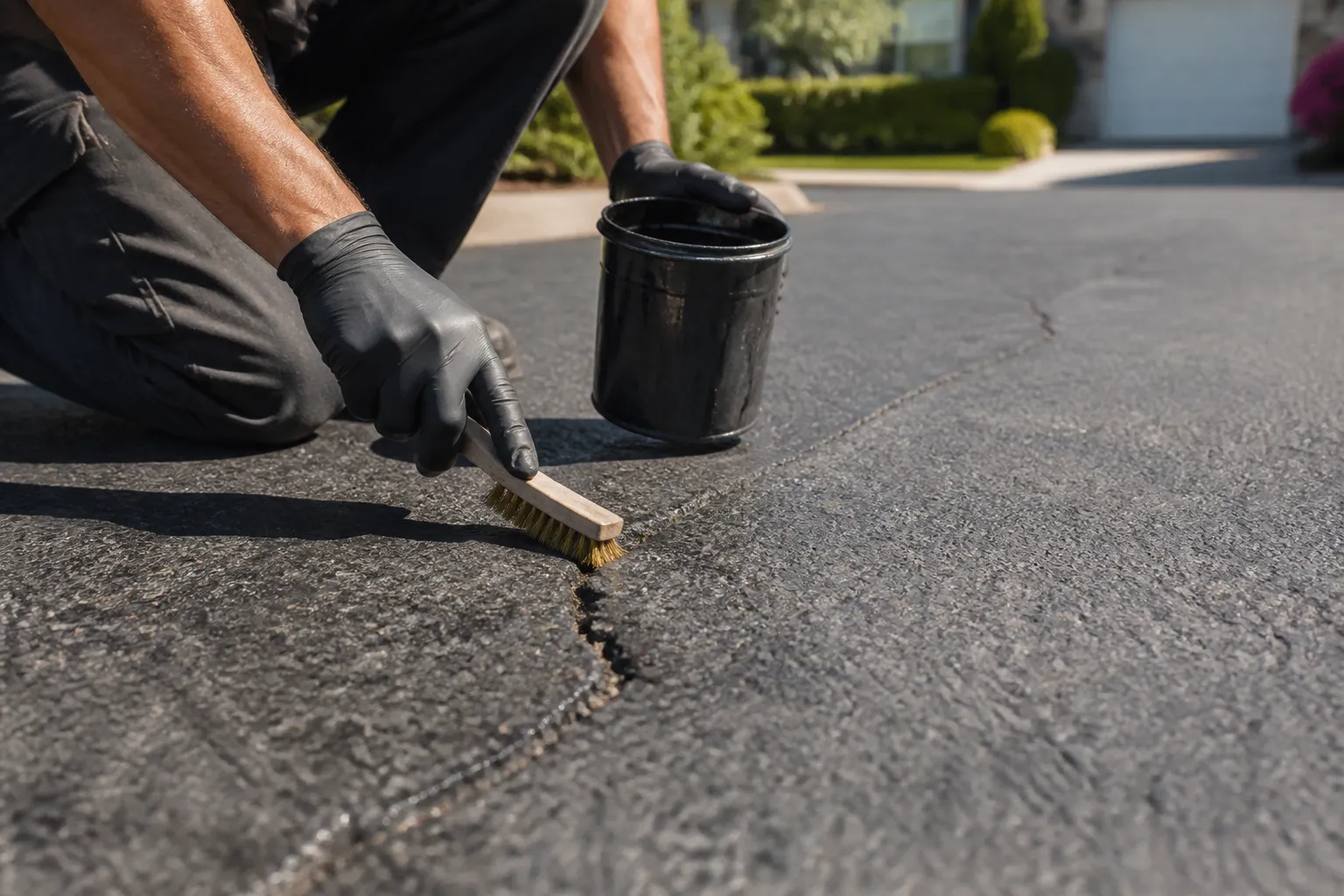
Crack filling is a proactive step that helps limit water intrusion. The best approach depends on the size, pattern, and cause of the crack. Small, isolated cracks may be part of routine maintenance. Wider cracks, cracks with crumbling edges, or recurring cracks may need more careful preparation and repair.
Do not assume every crack can be solved with a surface filler. If the pavement is moving, settling, or displaying alligator cracking, the issue may extend below the surface. An assessment can identify whether the repair should include localized removal and base work. Addressing the cause usually provides more value than repeatedly treating the symptom.
Use sealcoating as protection, not a repair shortcut
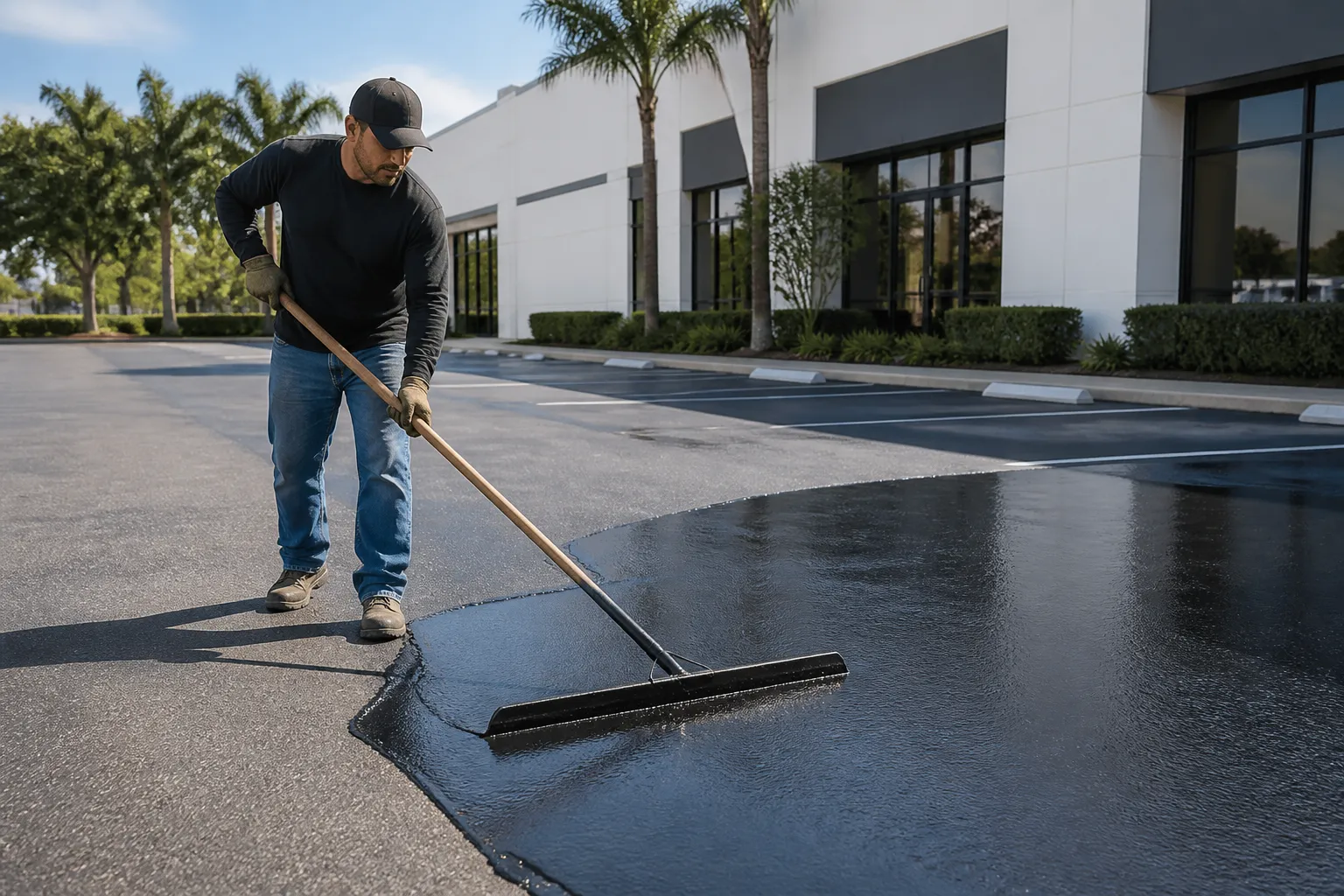
Sealcoating is a protective surface treatment for asphalt that is in maintainable condition. It can help shield the surface from sunlight and weathering while renewing its appearance. It does not fix failed pavement, deep potholes, active drainage problems, or widespread cracking. Before a coating is applied, the surface should be cleaned and any necessary crack repair or patching should be completed.
New asphalt needs time to cure before it is sealcoated. The appropriate timing depends on conditions and the paving system, so it is best to ask for maintenance guidance from a professional. Existing pavement should be evaluated by its condition, not just by a calendar date. Heavy traffic, direct sun, standing water, and prior maintenance all affect when a coating may be useful.
Protect the edges of driveways and lots
Asphalt edges are vulnerable because they have less support than the center of the pavement. Avoid driving heavy vehicles off the side of the driveway or parking area. Where practical, keep landscape soil and mulch from spilling onto the asphalt edge, since it can trap moisture and hide early damage. If an edge is breaking away, have it inspected before the deterioration travels inward.
Commercial properties should also monitor curbs, wheel stops, and areas near landscaping islands. These details affect traffic flow and can concentrate damage at the pavement edge. Repairs may include rebuilding a localized section so the asphalt has adequate support again.
Manage vehicle loads and spills
Asphalt pavement should be designed for its expected use, but owners can still reduce avoidable wear. Limit repeated heavy loads on residential driveways, especially near edges and during hot weather. For parking lots, review where delivery trucks, trash vehicles, and other heavy vehicles travel. If these vehicles repeatedly use an area designed for lighter traffic, the pavement may need localized reinforcement or a revised traffic pattern.
Oil, fuel, and automotive fluids should be cleaned promptly. These substances can soften asphalt binders and leave the surface more vulnerable. Use an appropriate absorbent and cleaning method, and inspect the area afterward for deterioration.
Know when patching is appropriate
Localized patching can be an effective solution for isolated potholes, failed repairs, or small areas of damaged pavement. A durable patch normally involves removing the failed material, preparing the affected base as needed, installing new asphalt, and compacting it properly. A quick surface patch can help temporarily, but it may not last if water or base failure remains below.
Ask what is causing the damage and whether the planned repair addresses that cause. A useful repair scope explains the area being removed, the preparation work, the asphalt installation, and any drainage considerations.
When to consider resurfacing or replacement
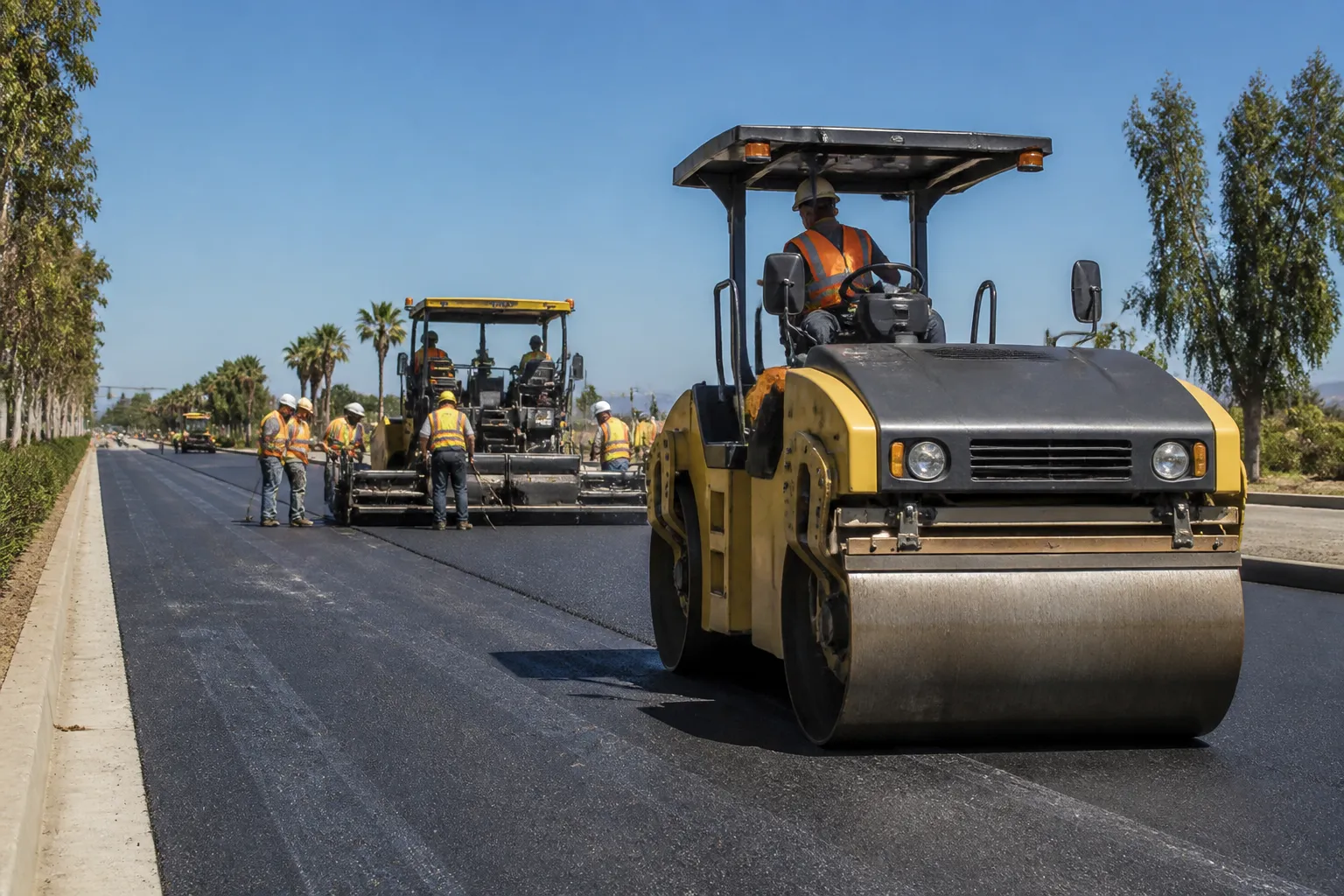
Resurfacing places a new asphalt layer over a prepared, stable existing surface. It can be a practical way to renew a broadly worn driveway or lot when the base is still sound. Local repairs are usually completed first, and transitions at drains, curbs, sidewalks, or garage doors are considered so the new surface functions correctly.
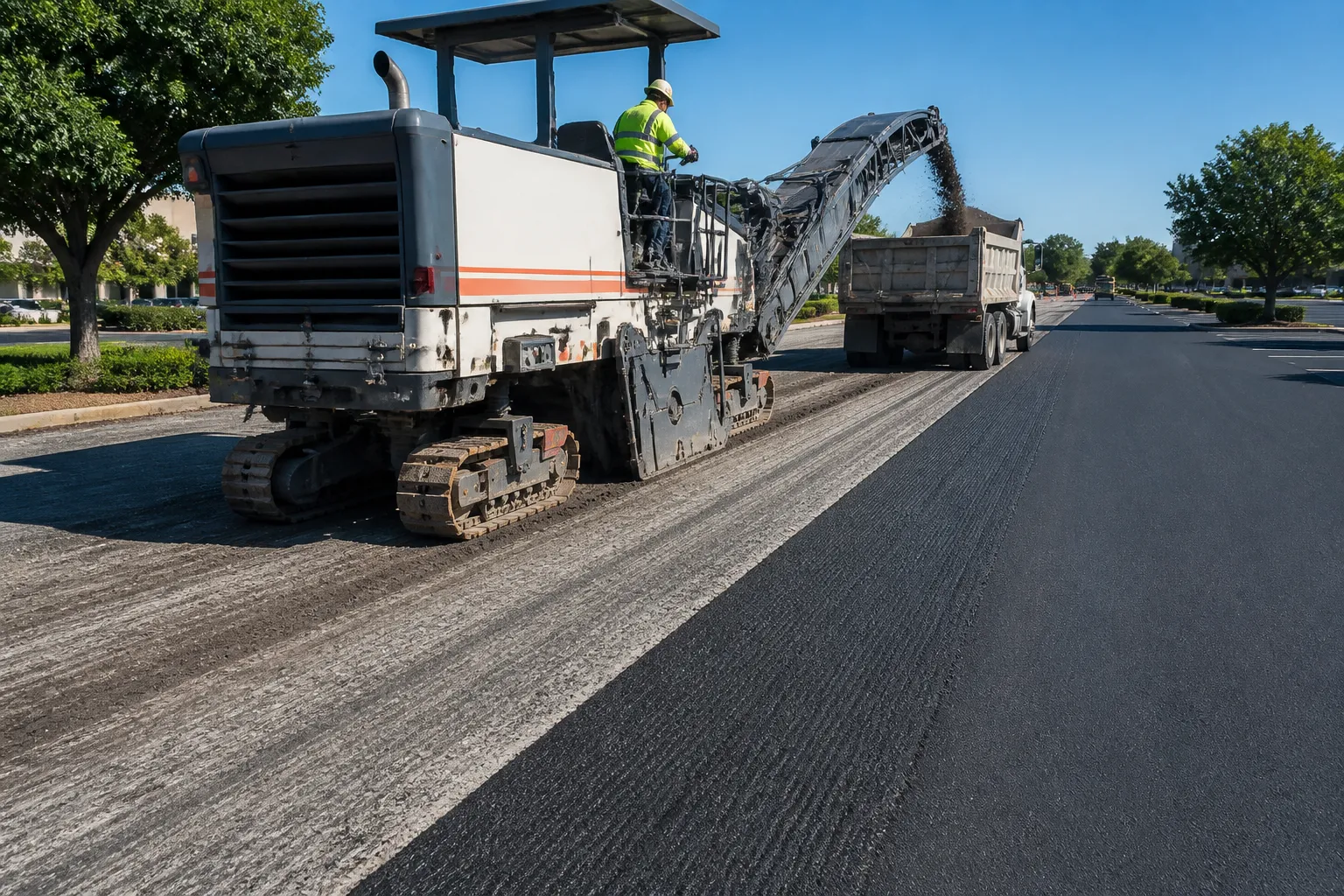
Replacement is more suitable when there is widespread base failure, repeated deep settlement, extensive alligator cracking, or severe drainage-related deterioration. It allows the failed pavement and base to be removed and rebuilt. While it is a larger scope of work, it can be the better long-term decision when the structure underneath the surface has failed.
Create a simple maintenance record
For a home, keep notes and photos of cracks, repairs, drainage issues, and maintenance dates. For a commercial site, a property manager can maintain a pavement map that identifies patch areas, traffic zones, drainage structures, and planned work. This record makes it easier to notice patterns and to share accurate information during an estimate.
Build a practical plan for your property
Every property has different traffic, drainage, and pavement conditions. Costa Mesa Asphalt Paving can inspect your driveway or parking lot, explain the source of visible damage, and recommend an appropriate plan for crack filling, pothole repair, sealcoating, resurfacing, or replacement. Timely maintenance gives you more options and helps protect the investment in your pavement.