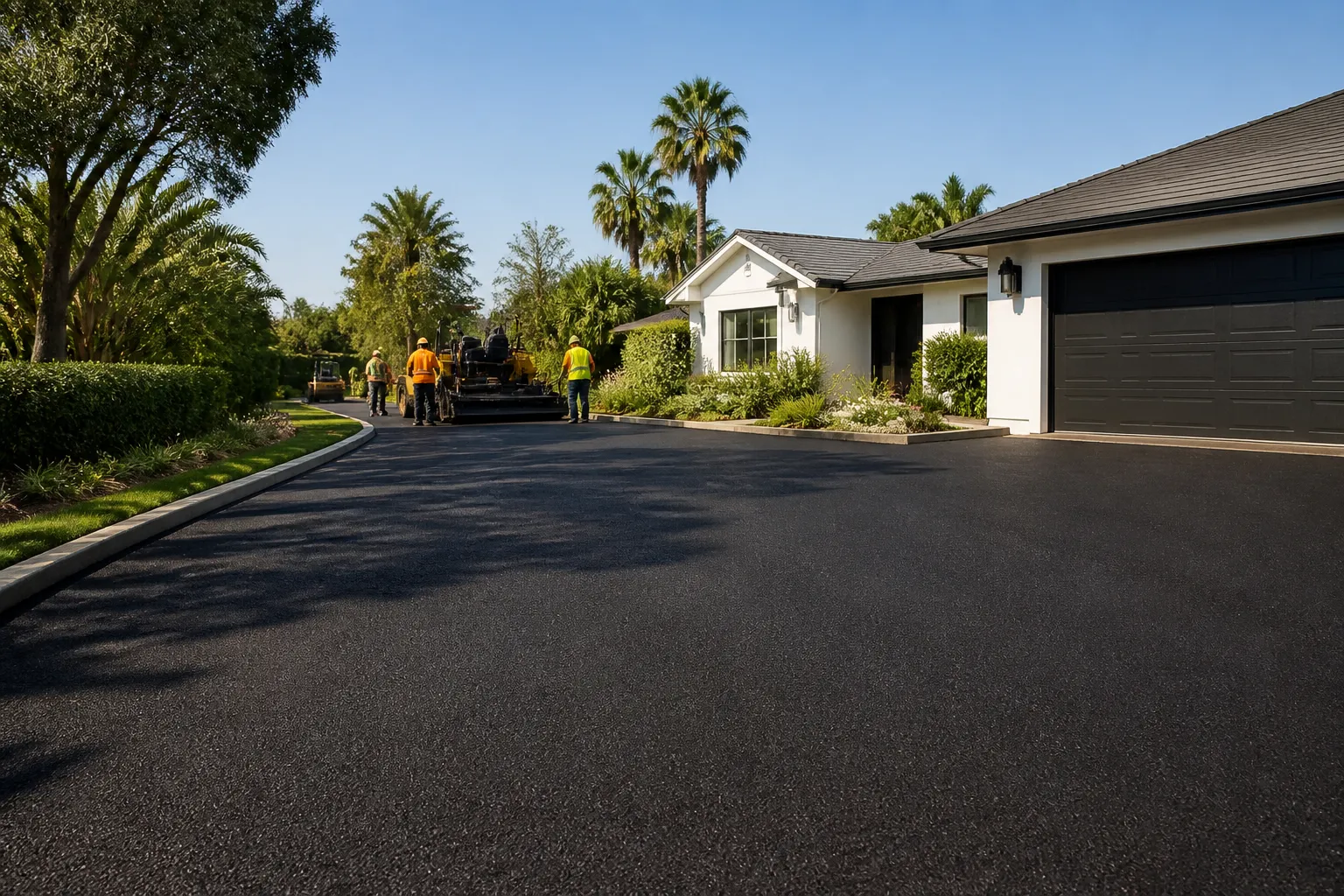
Asphalt milling and asphalt resurfacing are closely related pavement services, but they are not the same thing. Both can be part of a plan to renew an aging driveway, private road, or commercial parking lot. Understanding the difference can help you follow a contractor’s recommendation and see why certain preparation steps are included in the scope of work.
What is asphalt milling?
Asphalt milling is the controlled removal of a portion of the existing asphalt surface. A milling machine uses a rotating drum to grind away a specified depth of pavement, leaving a textured surface behind. The removed material is collected and hauled away or processed for reuse as reclaimed asphalt pavement.
Milling is especially helpful when the pavement needs to be lowered before a new layer of asphalt is installed. It can create room for the new surface without raising the final grade too high at curbs, garage entrances, drainage structures, sidewalks, or door thresholds. The exact depth is determined by the condition of the pavement and the plan for the finished surface.
What is asphalt resurfacing?
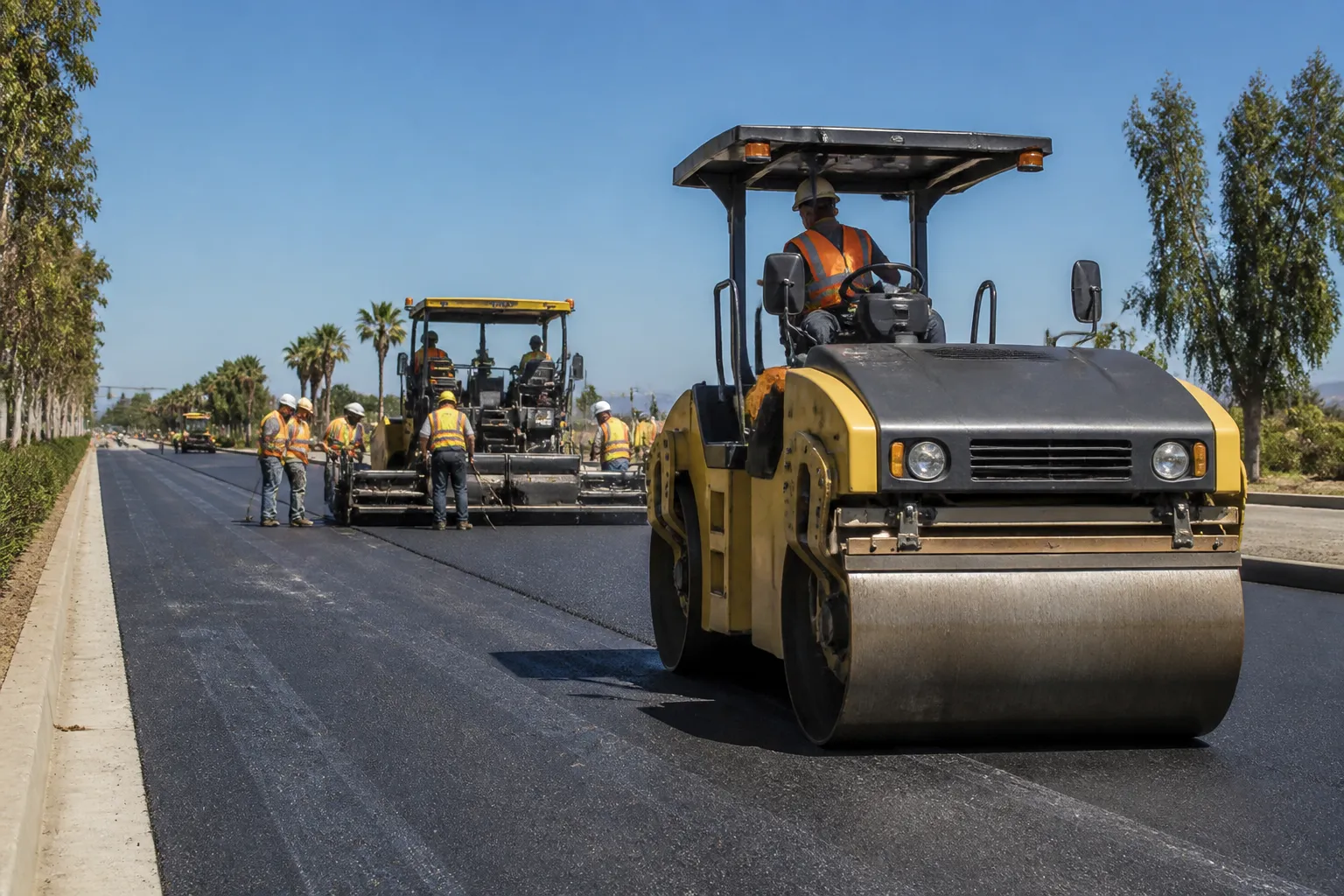
Resurfacing, also called an overlay, is the installation of a new asphalt layer over an existing paved surface after needed preparation and repairs. Its purpose is to renew a worn or weathered surface and improve ride quality. Resurfacing may happen with or without milling, depending on the project conditions.
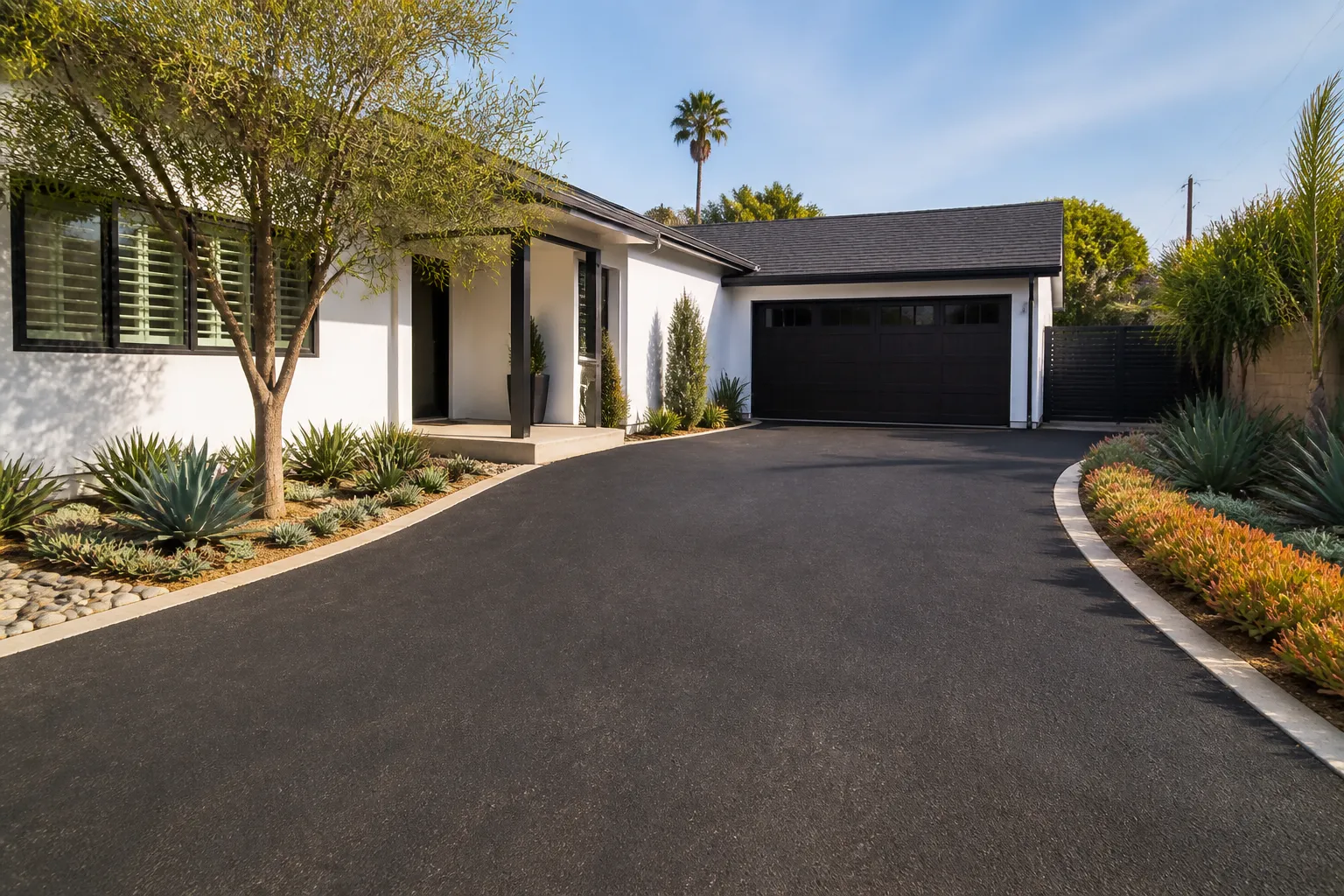
For example, a driveway with a stable base and enough room at the edges may be repaired and resurfaced directly. A parking lot with fixed curbs, drains, or tight transitions may need milling first so the new overlay fits correctly. In both cases, the success of resurfacing depends on whether the existing structure is sound enough to support the new asphalt.
Why contractors mill before resurfacing
There are several reasons a paving plan may include both services. Milling can help maintain a proper drainage slope and avoid creating a ridge where new asphalt meets an existing sidewalk or entrance. It can remove a deteriorated top layer, improve surface profile, and provide a prepared area for the overlay.
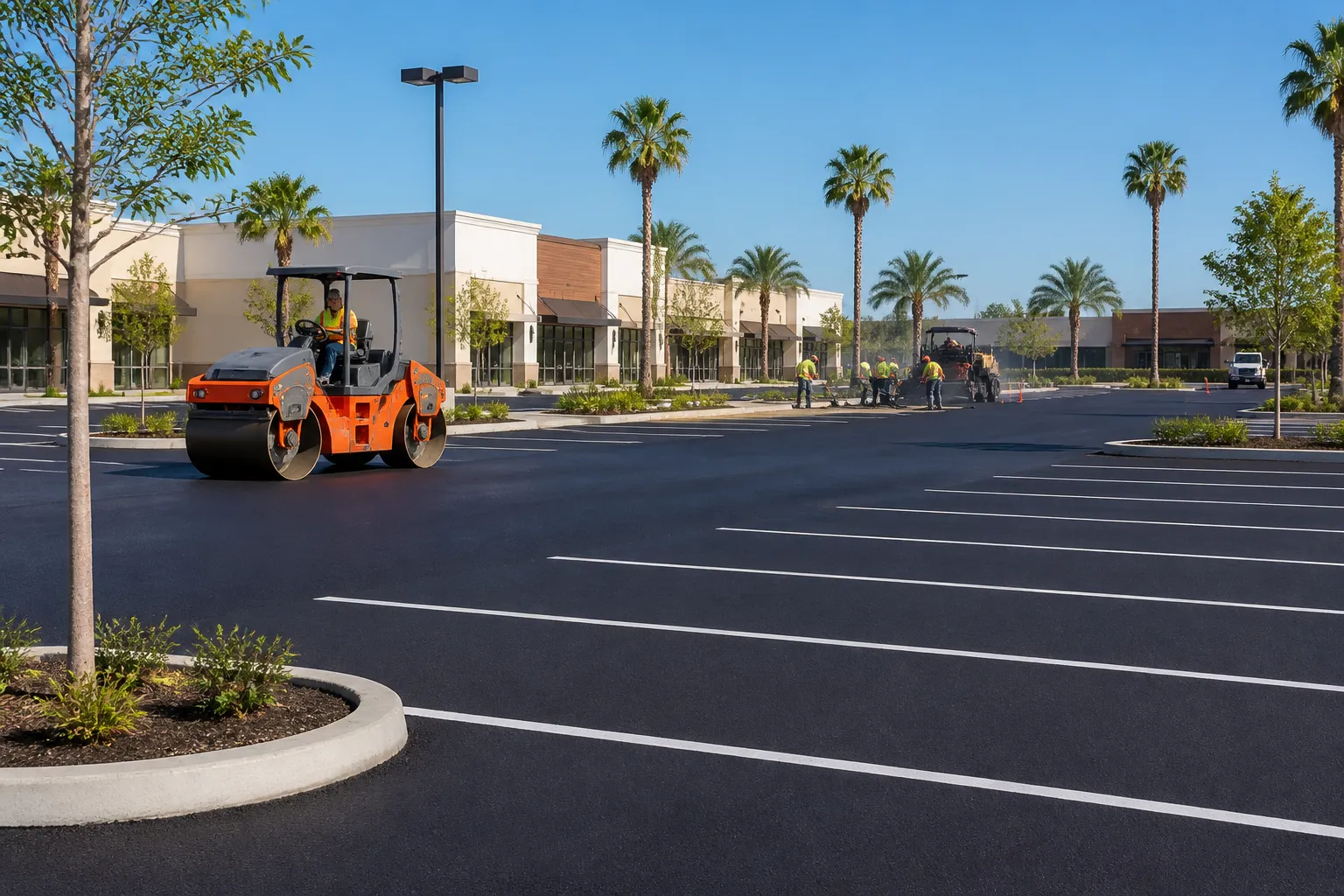
At commercial properties, milling is commonly used around catch basins, curb lines, and high-traffic entrances where elevation changes matter. It can also support staged repairs by allowing specific sections to be renewed without rebuilding the entire site at once. The remaining pavement below the milled area still needs to be evaluated for structural stability.
When milling and resurfacing are not enough
Neither milling nor an overlay will fix a deeply failed foundation. If the property has widespread alligator cracking, major settlement, severe potholes, soft areas, or recurring drainage damage, full-depth repairs or replacement may be needed. These signs often indicate that water or weak material has affected the base beneath the asphalt.
Covering structural damage with a new layer can make a pavement look better temporarily, but cracks and depressions can return if the cause remains. A contractor should identify unstable areas and recommend the appropriate level of repair before resurfacing work begins.
How the work sequence usually looks
A typical milling and resurfacing project begins with an inspection of the pavement, edges, drainage, and traffic patterns. The work area is prepared, and failing spots may be marked for deeper repairs. Milling removes asphalt at the planned depth, after which debris is cleaned from the surface. Localized base or pavement repairs are completed as needed.
Once the prepared surface is ready, a tack coat may be used to help the new asphalt bond to the existing pavement. New asphalt is placed, compacted, and shaped to support drainage and smooth transitions. For a parking lot, striping and other markings are completed after the new surface is ready.
What to ask when comparing proposals
Ask whether the scope includes milling, the intended milling depth, repairs to failed areas, asphalt thickness, drainage adjustments, and transitions at curbs or doors. It is also useful to ask how traffic and access will be managed during the work. A detailed scope makes it easier to understand whether the project is a surface renewal or a more involved structural repair.
A site evaluation provides the answer
The right approach depends on the existing pavement and the final elevation the property needs. Costa Mesa Asphalt Paving can inspect your driveway or parking area, explain whether milling is useful before resurfacing, and recommend a practical plan for the pavement’s condition and use.