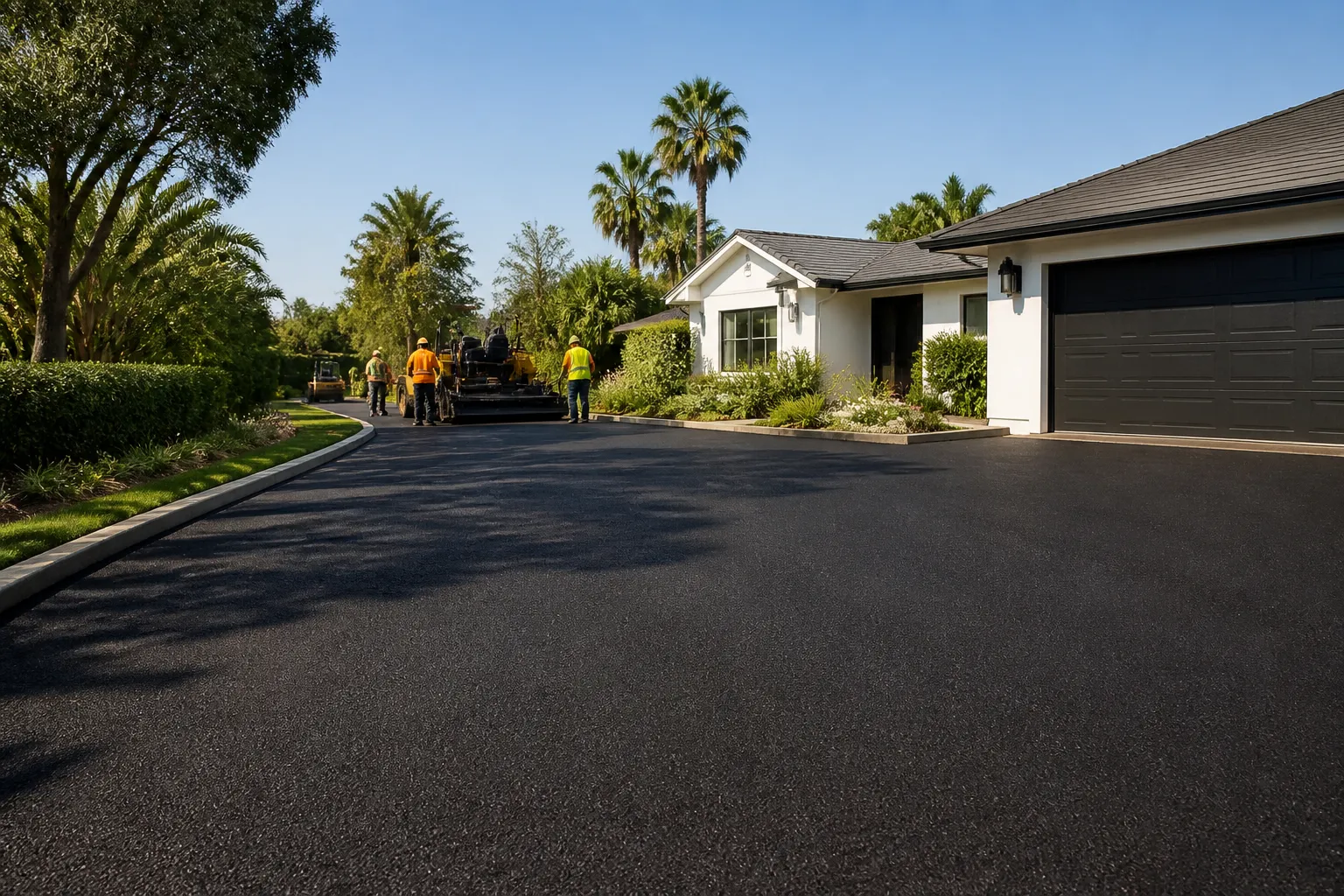
A worn asphalt surface does not automatically need to be removed and rebuilt. In many cases, asphalt resurfacing can restore a smoother driving surface and improve appearance. In other cases, replacement is the more responsible choice because the pavement’s foundation has failed. Knowing the difference helps property owners plan work that matches the condition of the pavement instead of paying for the wrong level of repair.
What is asphalt resurfacing?
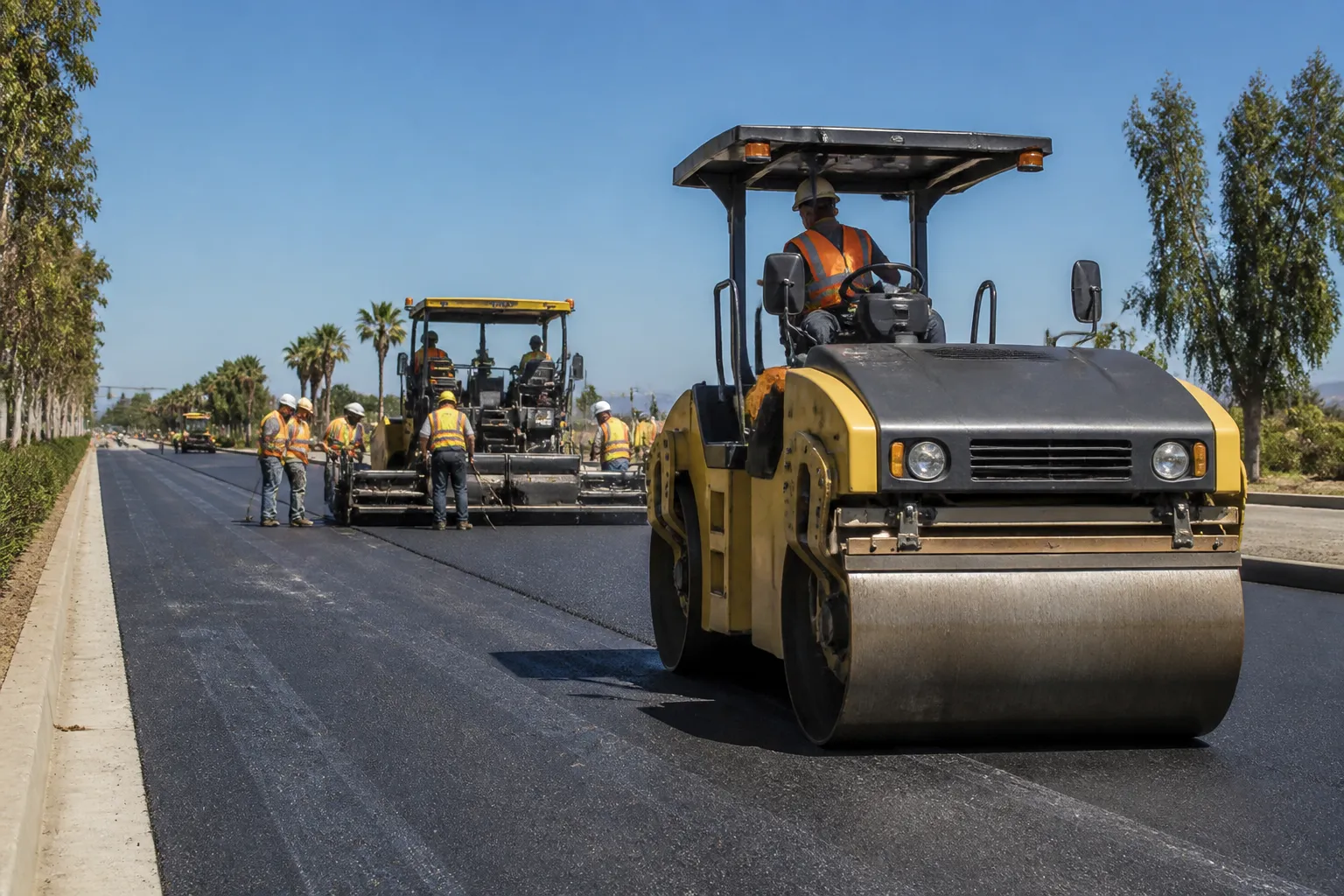
Resurfacing, sometimes called an overlay, is the process of placing a new layer of asphalt over an existing paved surface. Before the new layer goes down, damaged areas are repaired, cracks may be treated, and transitions near curbs, garage doors, drains, and sidewalks are prepared. The result is a renewed surface without removing every layer of existing asphalt.
Resurfacing can be a practical option when the underlying base is sound and the existing pavement has reached the point where routine maintenance alone is no longer enough. It can improve ride quality, address widespread weathering, and provide a fresh surface for a driveway or parking lot.
When resurfacing may make sense
An overlay is most suitable for pavement with surface-level deterioration rather than deep structural movement. Common signs include faded asphalt, shallow raveling, small cracks, minor surface irregularities, and an aging appearance. The existing pavement must still be stable enough to support the new layer.
A contractor will look at more than the visible surface. They will assess low areas, drainage patterns, edges, previous patching, traffic use, and the condition of the base. Repairing localized problem areas before resurfacing is important. Covering an active pothole or unstable area without correcting it first usually leads to a problem returning through the new surface.
Signs replacement may be the better choice
Replacement removes failed pavement and allows the base below it to be repaired or rebuilt. It is typically recommended when damage points to a deeper issue, such as poor drainage, weak subgrade, or inadequate base material. A new asphalt layer cannot correct a foundation that continues to move.
Consider a replacement evaluation if the surface has widespread alligator cracking, large potholes, deep depressions, recurring failures in the same locations, or noticeable settlement. Alligator cracking looks like interconnected, web-shaped cracks and often indicates that the structure under the asphalt is no longer carrying loads effectively. Standing water after rain or irrigation is another warning sign because water can weaken the base over time.
How drainage influences the decision
Water management is central to pavement performance in Costa Mesa. Water that sits on asphalt can enter cracks and work its way into the base. Runoff from landscaping, roof drainage, or a sloped driveway can concentrate in areas that need attention before paving work begins.
Resurfacing may be appropriate when small drainage adjustments and repairs can restore a proper slope. If broad sections have settled or water is trapped because of base failure, replacement of those areas may be needed. During an assessment, it helps to point out spots where you see puddling, soft areas, or recurring cracks.
Comparing the scope of work
Resurfacing generally involves less demolition than full replacement, but it still requires thoughtful preparation. The contractor needs to manage the added height of the new layer so that it ties into doors, curbs, drainage structures, and adjacent pavement safely.
Replacement is more extensive. It may include saw cutting, removal, excavation, aggregate base work, compaction, grading, and new asphalt installation. The larger scope can be worthwhile when it resolves a failing foundation and gives the pavement a sound start.
Do not decide by appearance alone
A surface can look rough yet have a solid base, making resurfacing a sensible choice. Conversely, a relatively smooth surface can hide a weak foundation. An on-site review is the best way to determine whether the pavement has a cosmetic issue, a maintenance issue, or a structural issue.
Choose a plan based on the pavement’s condition
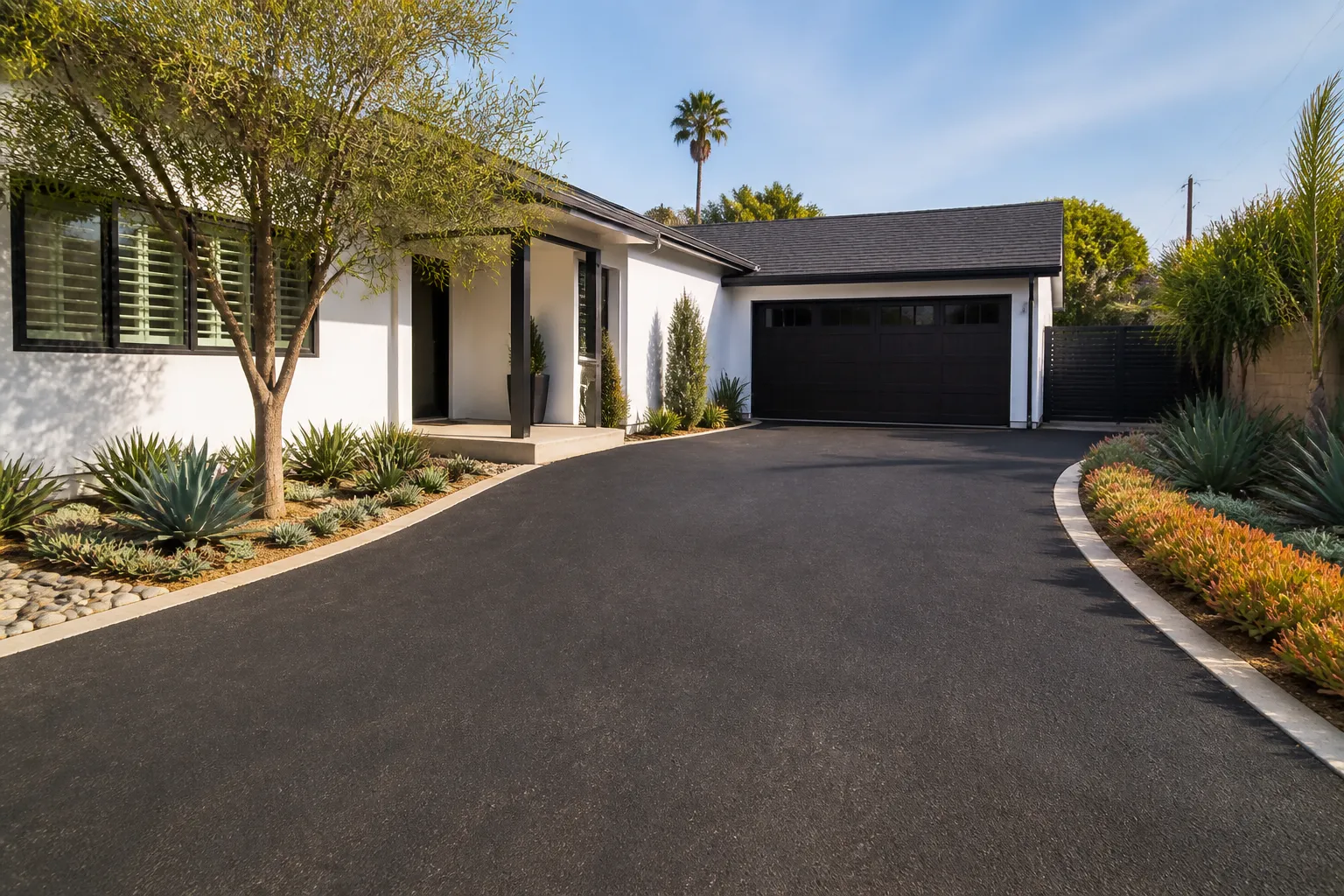
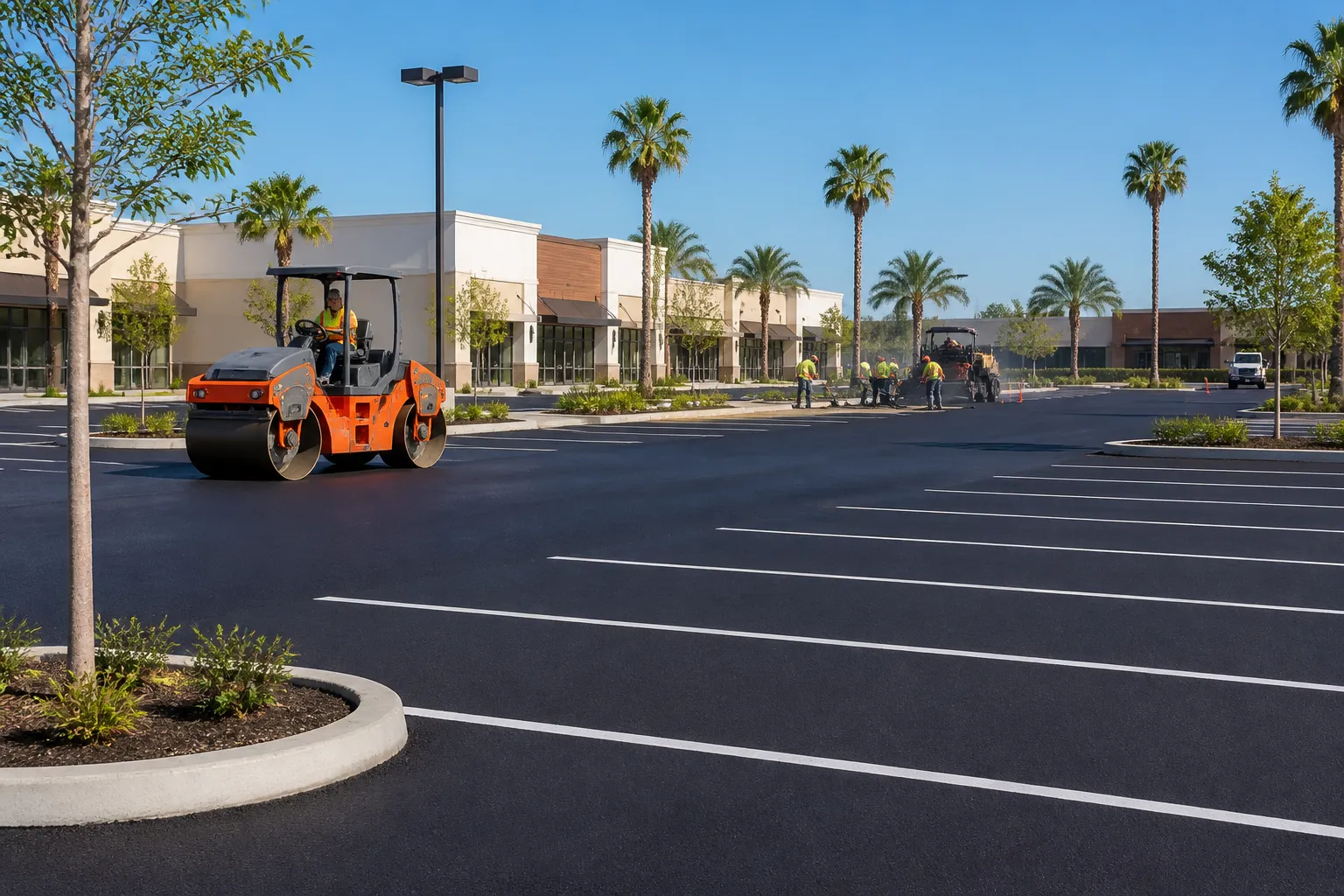
Costa Mesa Asphalt Paving can evaluate your driveway or parking lot, identify the conditions affecting it, and explain whether repairs and resurfacing or a replacement approach better fits the property. The goal is a practical pavement plan that addresses the cause of the deterioration and supports the way the area is used.